Peptide Research
What Is KPV?
KPV (Lysine-Proline-Valine) is a naturally derived tripeptide consisting of three amino acids: lysine, proline, and valine. It is a fragment derived from α-melanocyte-stimulating hormone (α-MSH), a peptide involved in biological signaling pathways related to immune response and inflammation.
Researchers have shown interest in KPV because it represents a smaller peptide sequence that retains some of the biological characteristics associated with α-MSH while providing a simpler structure for laboratory investigation.
How KPV Is Studied in Research
KPV has been investigated using both cellular and preclinical research models to better understand its interactions with inflammatory pathways and biological signaling systems.
In Vitro Research
Laboratory studies commonly examine KPV’s effects on:
- Cytokine signaling pathways.
- Inflammatory markers in cultured cells.
- Cellular response mechanisms.
These models allow researchers to evaluate how the peptide interacts with specific molecular pathways under controlled conditions.
Preclinical Research
Animal-based research has explored KPV in experimental models involving:
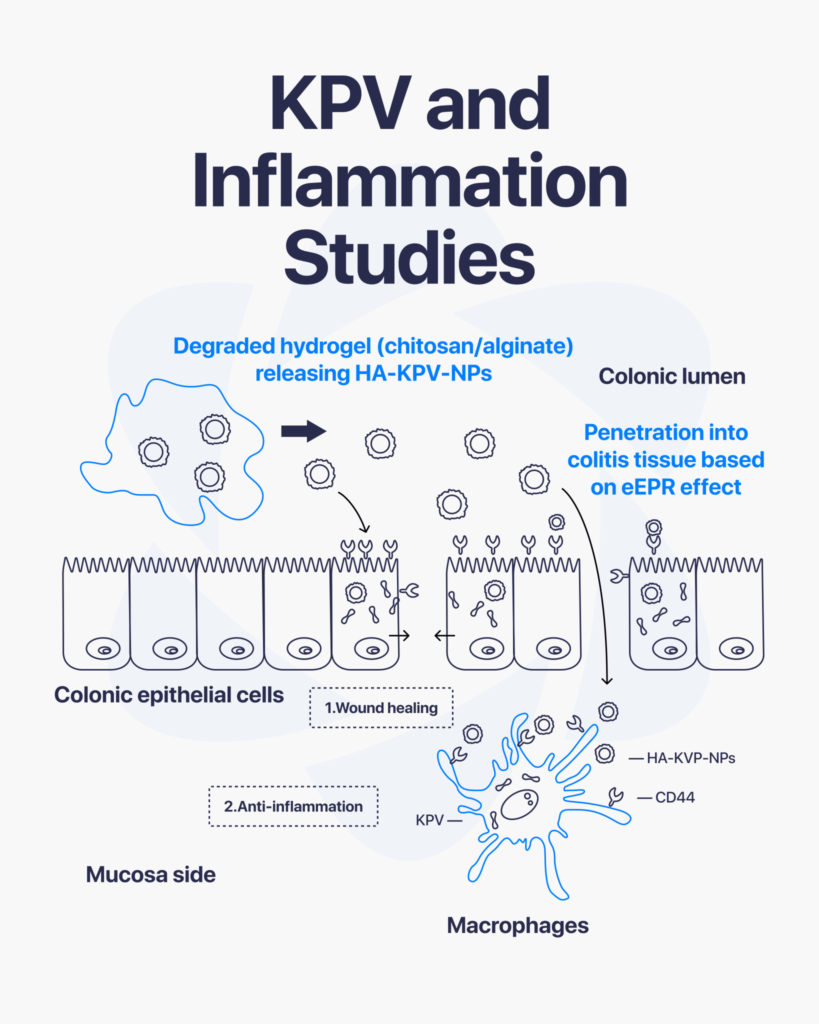
- Intestinal inflammation.
- Skin-related inflammatory responses.
- Tissue barrier function.
- Cellular repair processes.
Researchers have also compared KPV with larger melanocortin-derived peptides to better understand which biological activities remain within this smaller peptide sequence.
Key Research Observations
Regulation of Inflammatory Signaling
Published laboratory studies have reported that KPV may influence cytokine activity and inflammatory signaling pathways. Research models have observed changes in certain pro-inflammatory markers following peptide exposure.
Epithelial Barrier Research
KPV has been investigated in models focused on epithelial barrier function, particularly in intestinal research. Studies have examined how the peptide may interact with pathways involved in maintaining barrier integrity during experimental inflammatory conditions.
Melanocortin Pathway Investigation
Some research suggests that KPV’s activity may involve interactions related to melanocortin signaling pathways. However, researchers continue to investigate additional mechanisms that may contribute to its observed biological effects.
Research Applications
Scientists use KPV in laboratory studies to explore:
- The relationship between peptide signaling and cytokine regulation.
- Molecular pathways involved in inflammatory responses.
- Experimental models of skin and intestinal barrier function.
- Biological activity of smaller peptide fragments derived from larger signaling molecules.
Research Use Disclaimer
All products offered by Aeturna Wellness are supplied exclusively for laboratory and scientific research purposes. They are not intended for human or animal consumption and are not approved to diagnose, treat, cure, or prevent any disease. The information provided on this page is intended solely for educational and informational purposes and should not be interpreted as medical advice or therapeutic guidance.