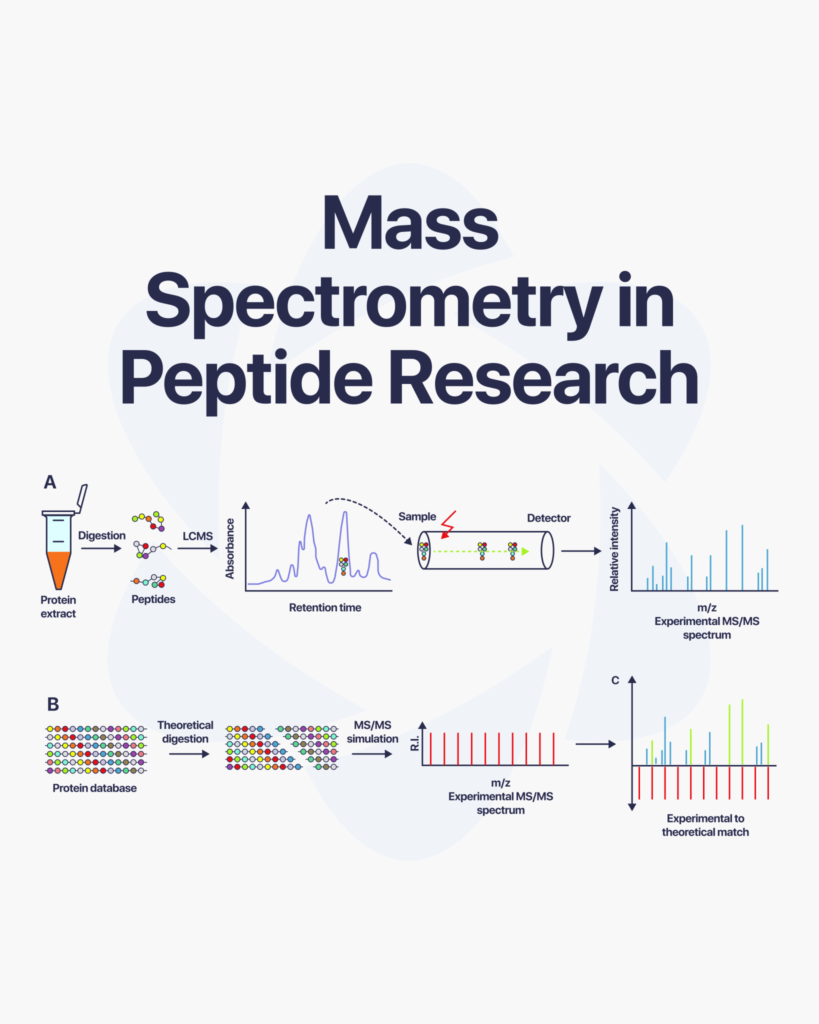
Peptide Research What Is Mass Spectrometry? Mass spectrometry (MS) is an advanced analytical technique used to measure the mass-to-charge ratio (m/z) of ionized molecules. During analysis, molecules are converted into charged particles and separated based on their mass and charge characteristics. This allows researchers to determine molecular weights, identify unknown compounds, and analyze complex mixtures […]
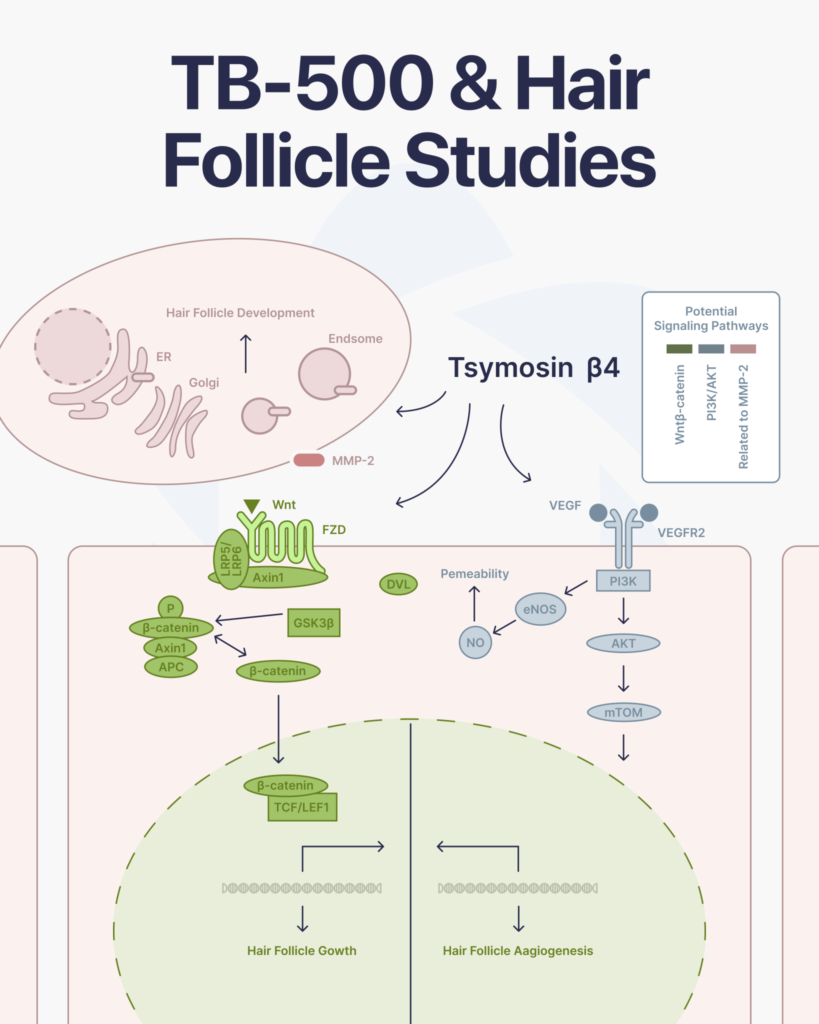
Peptide Research What Is TB-500? TB-500 is a synthetic peptide fragment designed to represent a portion of thymosin beta-4, a naturally occurring protein found in many human and animal tissues. Researchers have investigated TB-500 and related thymosin beta-4 pathways due to their involvement in cellular processes such as: Cell migration. Tissue remodeling. Blood vessel formation […]
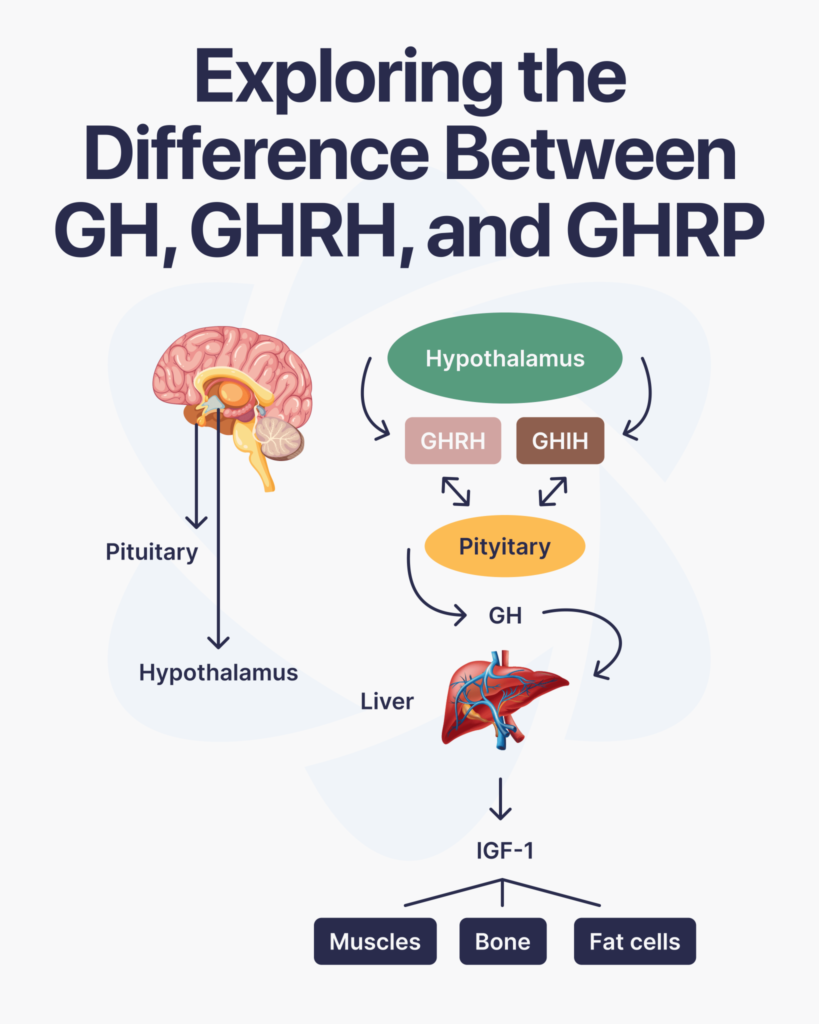
Peptide Research What Is GH? Growth Hormone (GH), also known as somatotropin, is a protein hormone naturally produced by the anterior pituitary gland. GH plays an important role in biological processes related to growth, metabolism, and tissue maintenance. In scientific research, GH is frequently studied to better understand endocrine signaling, metabolic regulation, and communication within […]
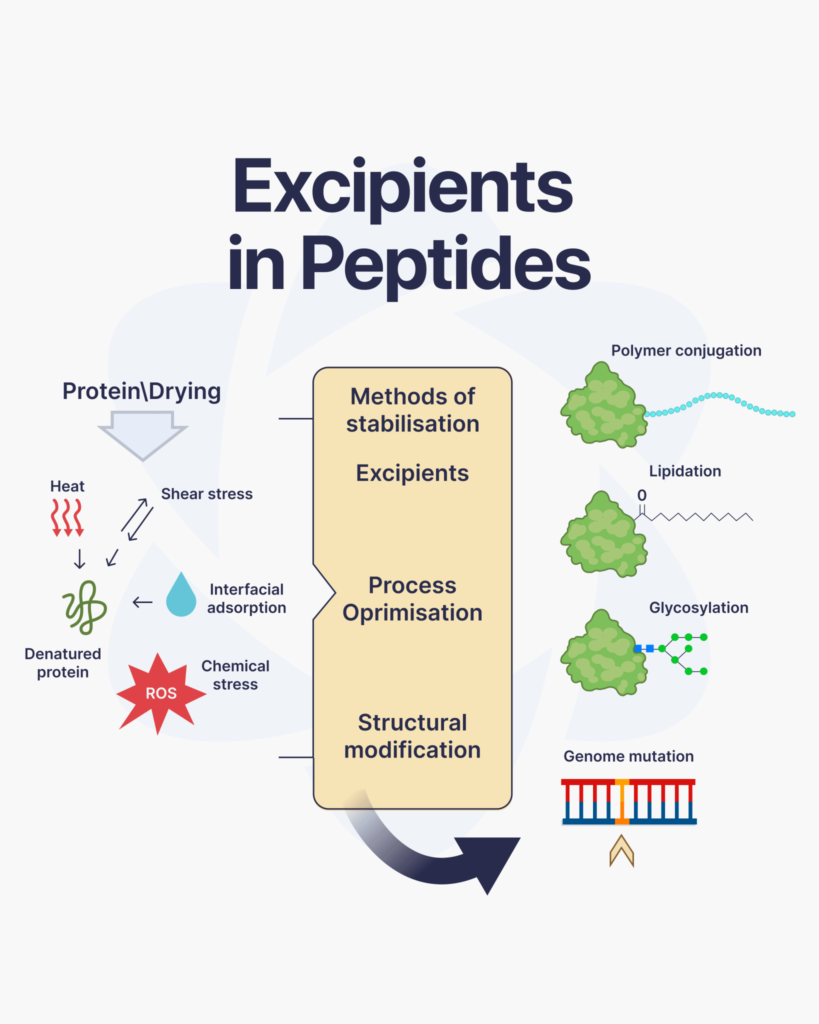
Peptide Research What Are Excipients? Excipients are inactive ingredients added alongside an active research compound to support formulation stability, handling, and storage. In peptide research, excipients play an important role in maintaining peptide integrity and improving the consistency of laboratory preparations. Although excipients do not provide the primary biological activity being studied, they can help […]
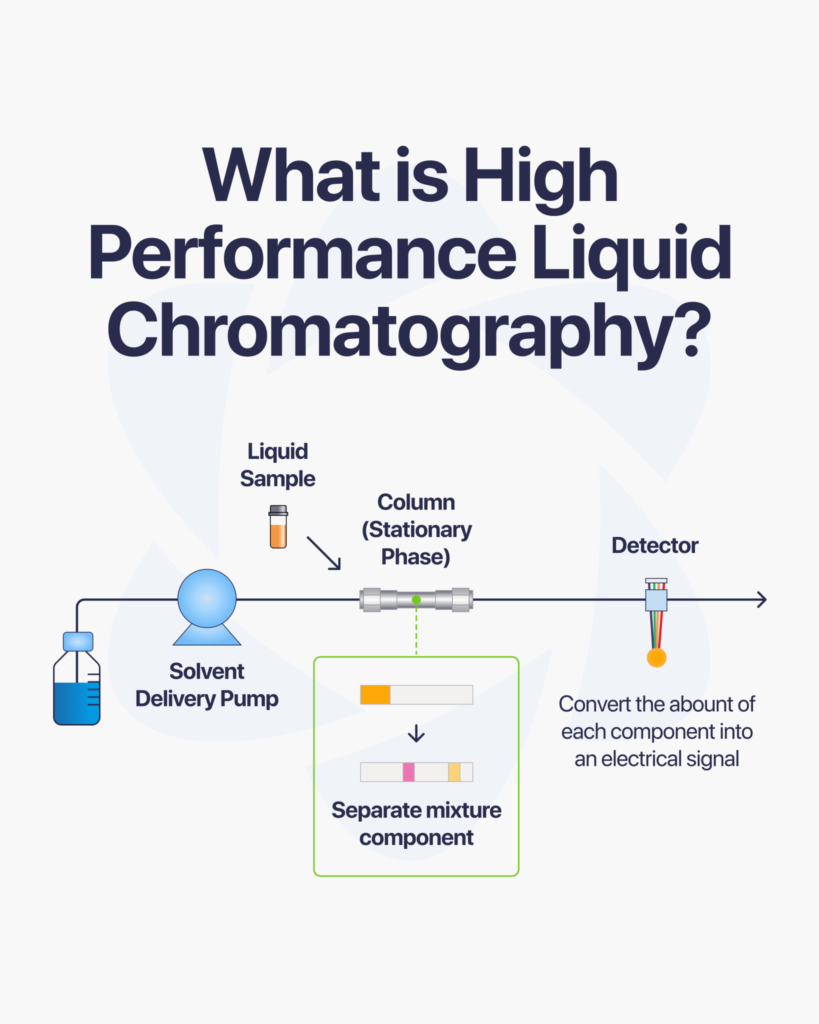
Peptide Research What Is High-Performance Liquid Chromatography (HPLC)? High-Performance Liquid Chromatography (HPLC) is an analytical laboratory technique used to separate, identify, and measure components within complex mixtures. The process works by passing a liquid sample through a specialized column containing a stationary phase while a high-pressure pump moves a solvent, known as the mobile phase, […]
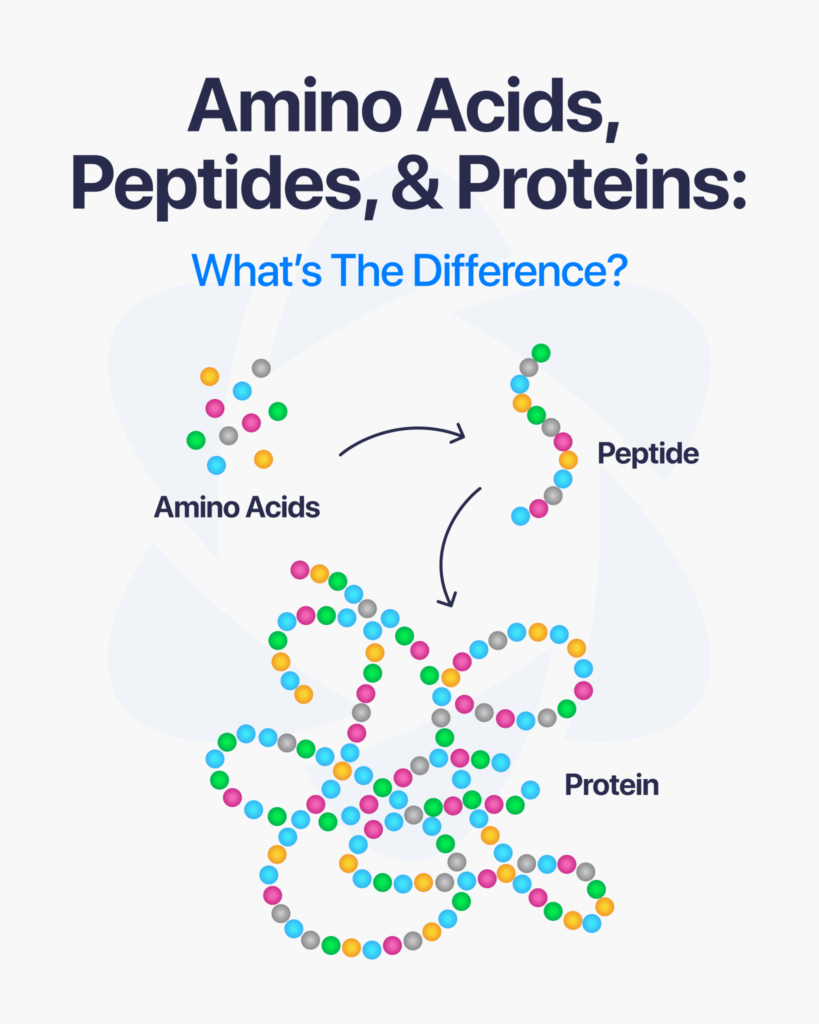
Peptide Research What Are Amino Acids? Amino acids are the fundamental building blocks that form peptides and proteins. Each amino acid contains a central carbon atom connected to four key components: An amino group. A carboxyl group. A hydrogen atom. A unique side chain, known as the R-group. The structure of each side chain determines […]
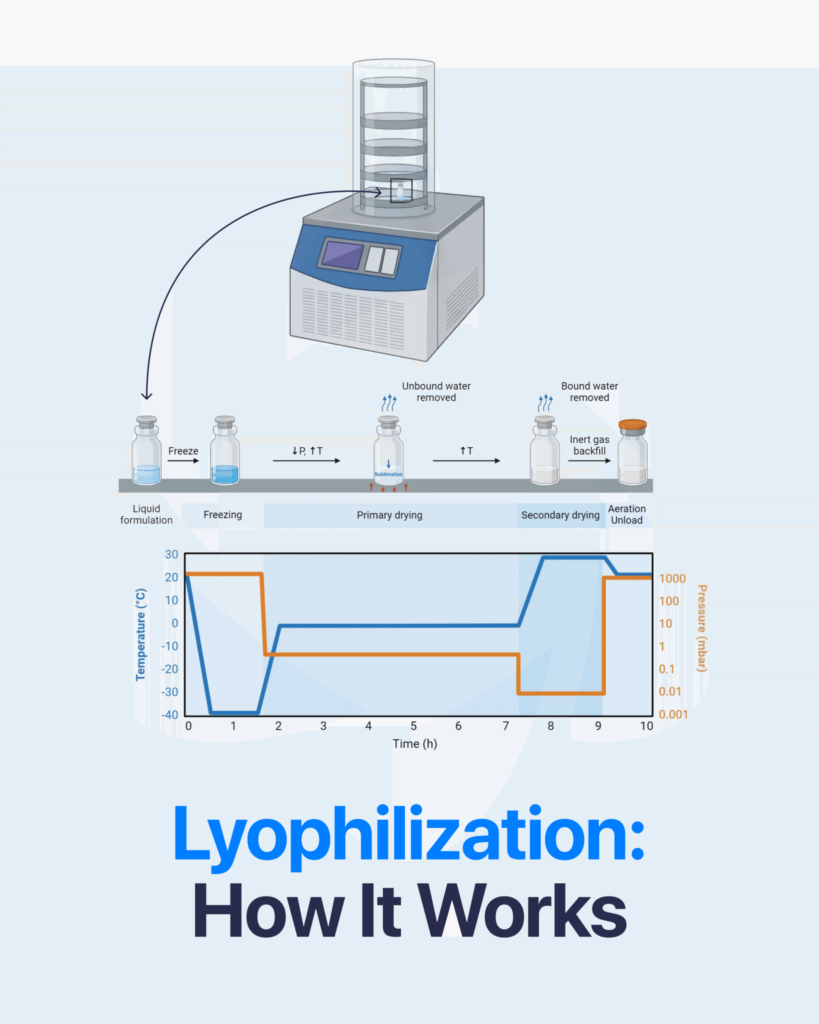
Peptide Research What Is Lyophilization? Lyophilization, commonly known as freeze-drying, is a preservation technique widely used in scientific and pharmaceutical research laboratories to stabilize sensitive biological materials. The process removes water from a frozen sample through sublimation, where ice transitions directly from a solid state into vapor without becoming liquid. By reducing moisture content while […]
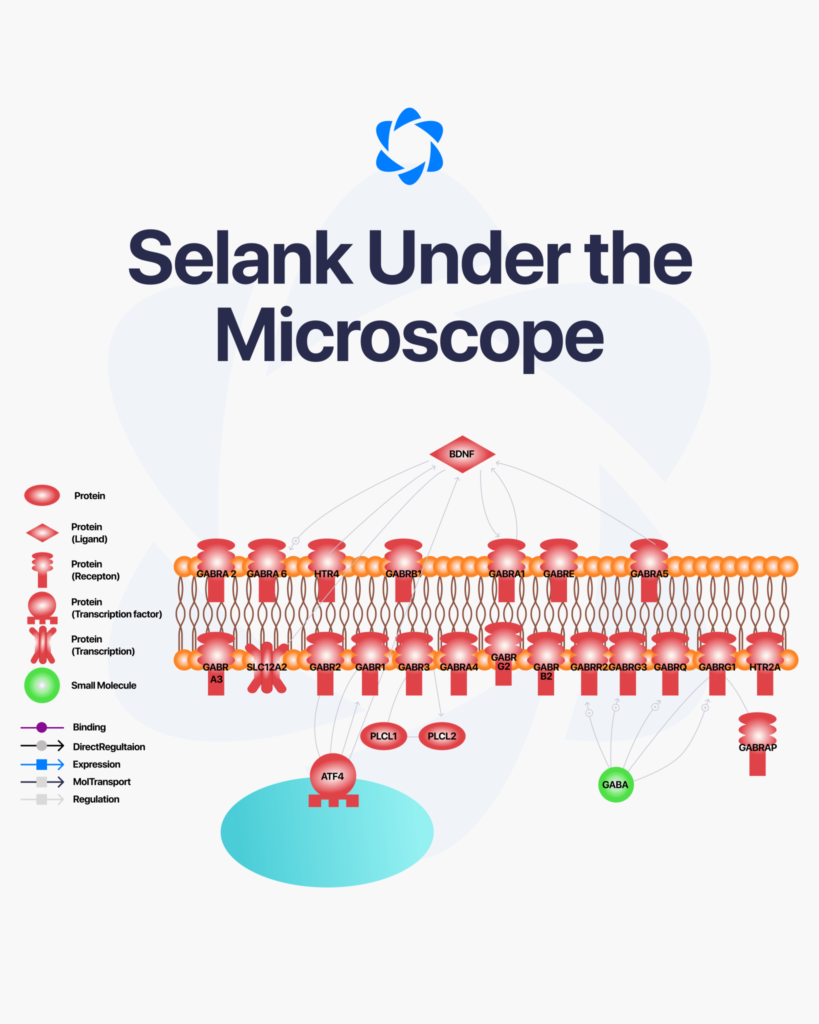
Peptide Research What Is Selank? Selank is a synthetic heptapeptide consisting of a chain of seven amino acids. It was developed from tuftsin, a naturally occurring peptide fragment associated with immune system signaling. Researchers modified the original tuftsin sequence to create Selank as a tool for investigating how small peptide molecules may interact with neurological […]
