Peptide Research
What Is Selank?
Selank is a synthetic heptapeptide consisting of a chain of seven amino acids. It was developed from tuftsin, a naturally occurring peptide fragment associated with immune system signaling.
Researchers modified the original tuftsin sequence to create Selank as a tool for investigating how small peptide molecules may interact with neurological signaling pathways, immune-related mechanisms, and cellular communication processes.
How Selank Is Studied in Research
Research involving Selank has been conducted across multiple experimental models to examine its molecular interactions and biological activity.
In Vitro Research
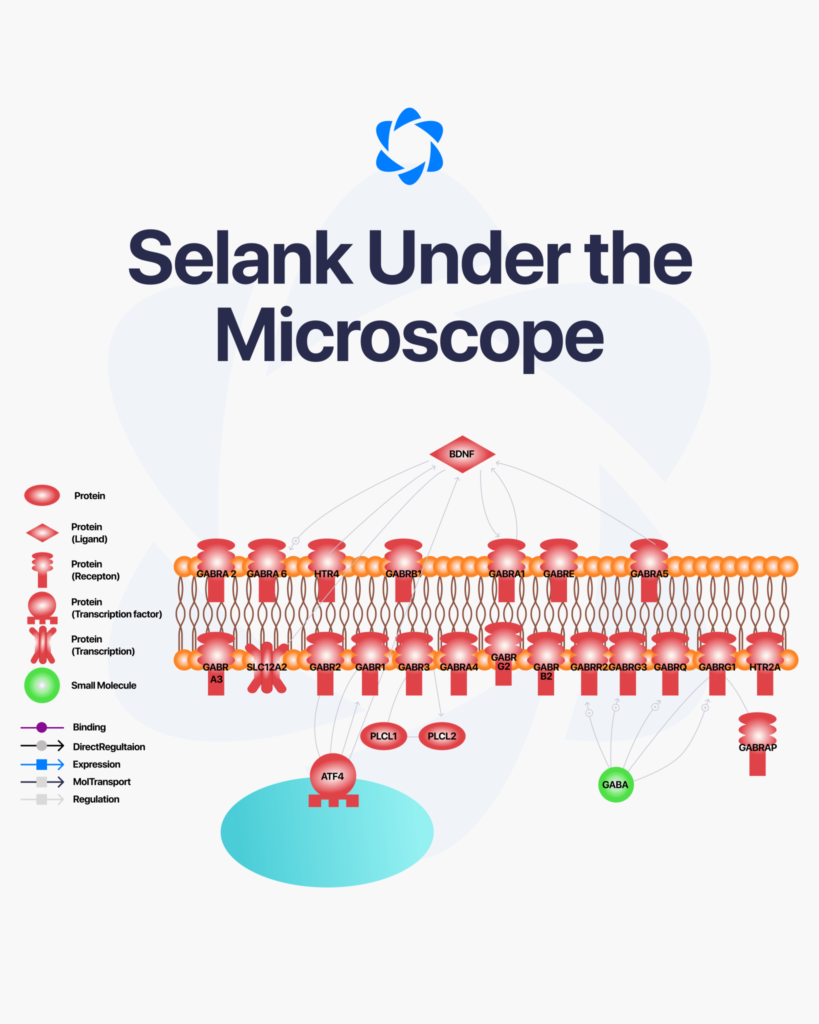
Cell-based studies have investigated Selank’s potential interactions with:
- Neurotransmitter-related gene expression.
- Receptor signaling pathways.
- Molecular mechanisms involved in cellular communication.
These studies help researchers understand how peptide structures may influence specific biological pathways.
Preclinical Research
Animal models have been used to examine Selank in relation to:
- Behavioral responses.
- Stress-related signaling pathways.
- Immune system activity.
- Neurochemical changes.
These models allow researchers to explore interactions between peptide signaling and complex biological systems.
Human Research
Human studies have primarily focused on observing biochemical markers associated with Selank research, including:
- Neurotransmitter-related indicators.
- Cytokine activity.
- Molecular responses under controlled study conditions.
Key Research Observations
Neurotransmitter Signaling
Research models have examined Selank’s relationship with monoamine pathways, including serotonin and dopamine signaling. Studies have reported changes in neurotransmitter-related markers, contributing to ongoing investigations into peptide-based regulation of neural communication.
Immune System Research
Because Selank originates from a peptide associated with immune signaling, researchers have investigated its relationship with cytokine activity and immune-related molecular pathways.
Stress Response Models
Experimental studies using stress-related models have explored Selank’s association with behavioral and biochemical responses connected to stress signaling pathways.
These findings continue to support research interest in the interaction between neurological and immune systems.
Research Applications
Scientists use Selank in laboratory research to investigate:
- Neuropeptide signaling mechanisms.
- Receptor interactions and peptide activity.
- Communication between immune and nervous system pathways.
- Gene expression patterns associated with neurotransmission and inflammation.
- Biological responses to synthetic peptide structures.
Research Use Disclaimer
All products offered by Aeturna Wellness are supplied exclusively for laboratory and scientific research purposes. They are not intended for human or animal consumption and are not approved to diagnose, treat, cure, or prevent any disease. The information provided on this page is intended solely for educational and informational purposes and should not be interpreted as medical advice or therapeutic guidance.