Peptide Research
What is BPC-157?
BPC-157 is a synthetic peptide derived from a naturally occurring protein sequence originally identified in gastric tissue. Within laboratory environments, it has become a subject of interest for researchers investigating tissue response, cellular signaling, and regenerative biological processes.
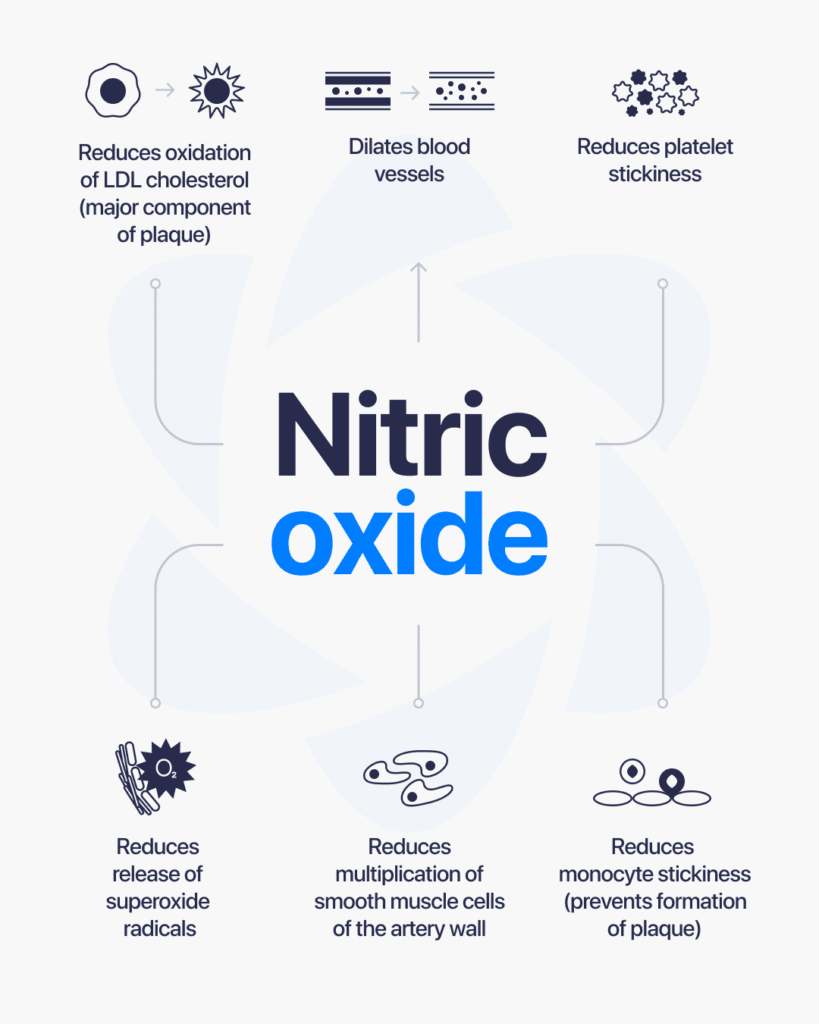
One area receiving significant attention is the interaction between BPC-157 and nitric oxide (NO), a signaling molecule that plays an important role in vascular function and numerous physiological pathways studied in experimental models.
Reference: Sikiric et al., 2010
Understanding Nitric Oxide (NO)
Nitric oxide (NO) is a naturally produced signaling molecule involved in a variety of biological processes. In research settings, it has been associated with:
- Regulation of blood vessel dilation (vasodilation)
- Cellular communication within the nervous system
- Signaling pathways involved in tissue repair and regeneration
- Immune system activity and inflammatory responses
Because both excessive and insufficient nitric oxide activity may influence biological function, maintaining balanced NO signaling remains an important area of scientific research.
Current Research on BPC-157 and Nitric Oxide
Influence on Nitric Oxide-Producing Enzymes
Experimental studies have reported that BPC-157 may affect endothelial nitric oxide synthase (eNOS) activity in preclinical models. Researchers have observed corresponding changes in vascular signaling, making this interaction an ongoing area of investigation.
Reference: Vukojević et al., 2013
Regulation of Nitric Oxide During Tissue Response
Studies involving muscle, tendon, nerve, and connective tissue models suggest that BPC-157 may help regulate nitric oxide signaling under varying experimental conditions. Researchers have observed modulation of NO activity whether production was reduced or elevated, with accompanying changes in markers associated with tissue response.
Scientists have also proposed that additional biological pathways, including vascular endothelial growth factor (VEGF), may contribute to these observed effects.
References: Sikiric et al., 2010; Seiwerth et al., 2018
Research on Vascular Function
Preclinical investigations have also examined the relationship between BPC-157 and vascular health. Findings suggest the peptide may support stable nitric oxide signaling while helping maintain markers associated with normal blood vessel function under laboratory conditions.
Reference: Sikiric et al., 2016
Selected References
- Vukojević, J., et al. (2013). Pentadecapeptide BPC 157 enhances NO release and modulates vasomotor tone in rats. Journal of Physiology and Pharmacology, 64(3), 355–365.
- Sikiric, P., et al. (2010). Stable gastric pentadecapeptide BPC 157 modulates the nitric oxide system and promotes healing. Peptides, 31(9), 1601–1610.
- Seiwerth, S., et al. (2018). BPC 157 and its possible mechanisms of action: An overview. Current Pharmaceutical Design, 24(19), 2000–2021.
- Sikiric, P., et al. (2016). BPC 157 and blood vessel function: Findings from preclinical research. Regulatory Peptides, 234, 16–27.
Research Use Disclaimer
All products available through Aeturna Wellness are supplied exclusively for laboratory and scientific research purposes. They are not intended for human or veterinary use and are not approved to diagnose, treat, cure, or prevent any disease. The content provided on this page is intended solely for educational and informational purposes to support scientific research and should not be interpreted as medical or therapeutic advice.