Peptide Research
What Is NAD+?
Nicotinamide adenine dinucleotide (NAD+) is a naturally occurring coenzyme present in all living cells. It plays an essential role in cellular metabolism by cycling between its oxidized form (NAD+) and reduced form (NADH), allowing it to transfer electrons during important biological reactions.
Because of its involvement in energy production and enzyme activity, NAD+ is considered a fundamental molecule in cellular function and metabolic research.
How NAD+ Is Studied in Research
NAD+ has been investigated across multiple areas of scientific research, including cellular, animal, and human studies.
In Vitro Research
Laboratory studies have examined how NAD+ interacts with important cellular enzymes, including:
- Sirtuins involved in cellular regulation and signaling.
- PARP enzymes involved in DNA repair mechanisms.
These studies help researchers understand NAD+’s role at the molecular level.
Preclinical Research
Animal studies have explored how NAD+ levels change in different tissues under various conditions, including:
- Aging-related processes
- Metabolic changes
- Cellular stress responses
- Nutrient availability
Human Research
Human studies have commonly evaluated NAD+ concentrations and related metabolites. Some research has focused on NAD+ precursors, including:
- Nicotinamide riboside (NR)
- Nicotinamide mononucleotide (NMN)
Researchers examine how these compounds influence NAD+ metabolism and related biological markers.
Key Biological Roles of NAD+
Cellular Energy Production
NAD+ functions as an important cofactor in major energy-producing pathways, including:
- Glycolysis
- The citric acid cycle (TCA cycle)
- Oxidative phosphorylation
Through these processes, NAD+ helps support cellular energy metabolism.
DNA Repair Pathways
NAD+ is utilized by enzymes such as poly (ADP-ribose) polymerases (PARPs), which participate in cellular mechanisms responsible for responding to DNA damage.
Gene Regulation and Cellular Signaling
NAD+ serves as a substrate for sirtuins, a group of enzymes involved in regulating cellular processes, including chromatin activity and gene expression.
Cellular Stress Response
Research has identified NAD+ as an important component of cellular defense pathways involved in managing oxidative and metabolic stress.
Research Observations
Changes Associated With Aging
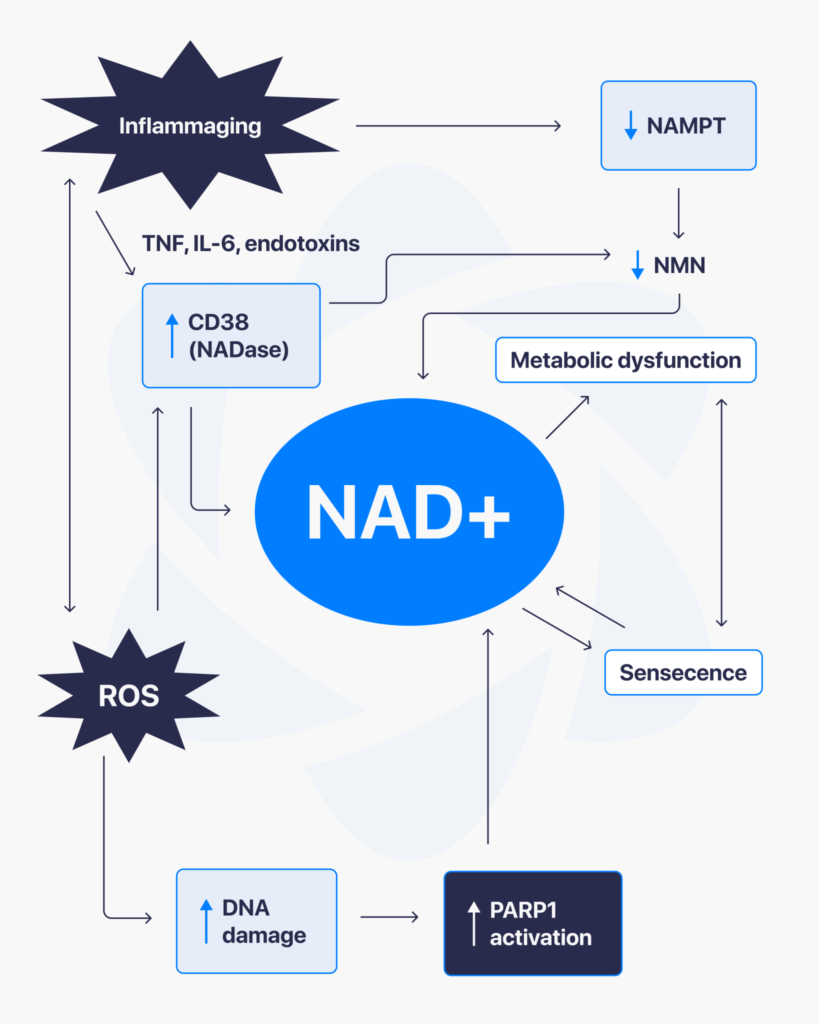
Multiple studies have reported that NAD+ levels may decrease in certain tissues over time in both animal and human research models. This has made NAD+ metabolism an important area of aging-related research.
Differences Between Tissues
NAD+ concentrations vary between different organs and tissues. Research has shown that tissues with higher energy requirements, such as muscle, brain, and liver, may have significant NAD+ demands.
Effects of NAD+ Precursors
Human studies investigating NAD+ precursors such as NR and NMN have reported increases in NAD+ metabolites under certain conditions. However, results may vary depending on factors such as dosage, study duration, and individual biological differences.
Dynamic Cellular Regulation
NAD+ levels are influenced by various factors, including nutrition, physical activity, environmental stress, and metabolic changes. Because of this, researchers continue to study NAD+ as an important indicator of cellular metabolic activity.
Research Use Disclaimer
All products available through Aeturna Wellness are supplied exclusively for laboratory and scientific research purposes. They are not intended for human or animal consumption and are not approved to diagnose, treat, cure, or prevent any disease. The information provided on this page is intended for educational and informational purposes only and should not be interpreted as medical advice or therapeutic guidance.