Peptide Research
What Are Melanocortin Agonists?
Melanocortin agonists are compounds that interact with and activate receptors within the melanocortin system, a group of G-protein-coupled receptors known as MC1R through MC5R.
These receptors are found throughout various tissues and are involved in multiple biological signaling pathways, including pigmentation, energy regulation, immune response, and endocrine communication.
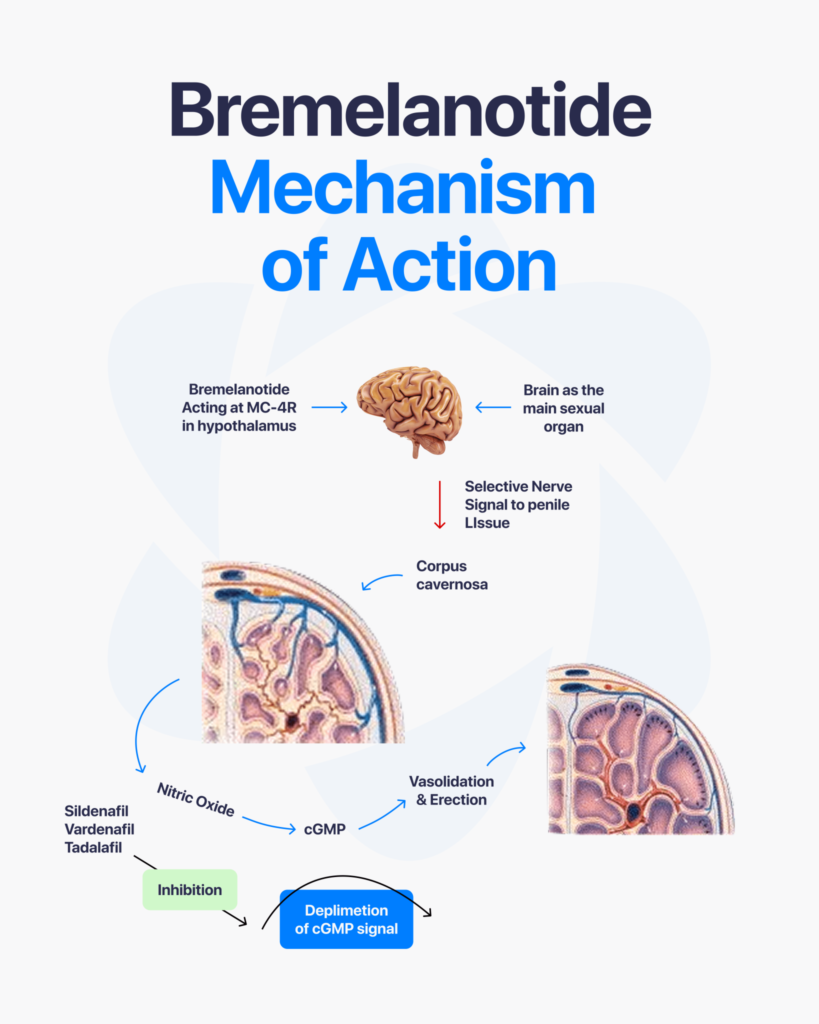
Melanocortin agonists may occur naturally, such as α-melanocyte-stimulating hormone (α-MSH), or may be synthetically developed compounds used by researchers to investigate melanocortin receptor activity and signaling mechanisms.
How Melanocortin Agonists Are Studied in Research
Research involving melanocortin agonists has been conducted using multiple experimental approaches.
In Vitro Research
Cell-based studies have examined:
- Receptor binding activity.
- Activation of intracellular cAMP signaling pathways.
- Differences in receptor selectivity among melanocortin receptor subtypes.
These studies help researchers understand how specific compounds interact with individual receptors at the cellular level.
Preclinical Research
Animal models have been used to investigate melanocortin signaling in relation to:
- Appetite and energy regulation.
- Pigmentation pathways.
- Endocrine signaling.
- Inflammatory responses.
These models allow researchers to examine how melanocortin receptor activation influences complex biological systems.
Human Research
Human studies have evaluated responses associated with melanocortin activity, including:
- Changes in pigmentation pathways.
- Metabolic markers.
- Endocrine hormone responses.
Key Melanocortin Receptor Pathways
MC1R Activation
MC1R is primarily associated with pigmentation biology. Research has shown that activating this receptor can influence melanin production pathways within melanocytes, making it an important target in skin and pigmentation research.
MC3R and MC4R Signaling
Research involving MC3R and MC4R has focused on their roles in energy balance and feeding-related signaling.
These receptors are widely studied in experimental models exploring communication between the brain, metabolism, and appetite regulation pathways.
MC2R and ACTH Signaling
MC2R serves as the primary receptor for adrenocorticotropic hormone (ACTH). Research involving this receptor focuses on adrenal signaling and mechanisms associated with steroid hormone production.
MC5R Activity
MC5R has been investigated for its involvement in exocrine gland-related processes, including pathways associated with sebaceous gland activity and secretion regulation.
Research Findings and Observations
Pigmentation Pathways
Laboratory studies have demonstrated that synthetic melanocortin compounds can influence melanin production in cultured melanocyte models, providing insight into pigmentation-related signaling.
Energy Regulation Research
Studies involving MC4R activation have explored how melanocortin pathways influence feeding-related neural circuits and energy balance mechanisms, particularly in animal research models.
Immune and Inflammatory Signaling
Both cellular and animal research models have examined how melanocortin receptor activation may influence inflammatory signaling pathways, contributing to ongoing research into immune modulation.
Endocrine Research Applications
ACTH-related melanocortin research continues to provide valuable information about MC2R activity and adrenal hormone signaling mechanisms.
Research Applications
Scientists study melanocortin agonists to investigate:
- Melanocortin receptor function.
- Pigmentation and cellular signaling pathways.
- Energy balance and metabolic communication.
- Immune response mechanisms.
- Endocrine receptor activity.
Research Use Disclaimer
All products offered by Aeturna Wellness are supplied exclusively for laboratory and scientific research purposes. They are not intended for human or animal consumption and are not approved to diagnose, treat, cure, or prevent any disease. The information provided on this page is intended solely for educational and informational purposes and should not be interpreted as medical advice or therapeutic guidance.