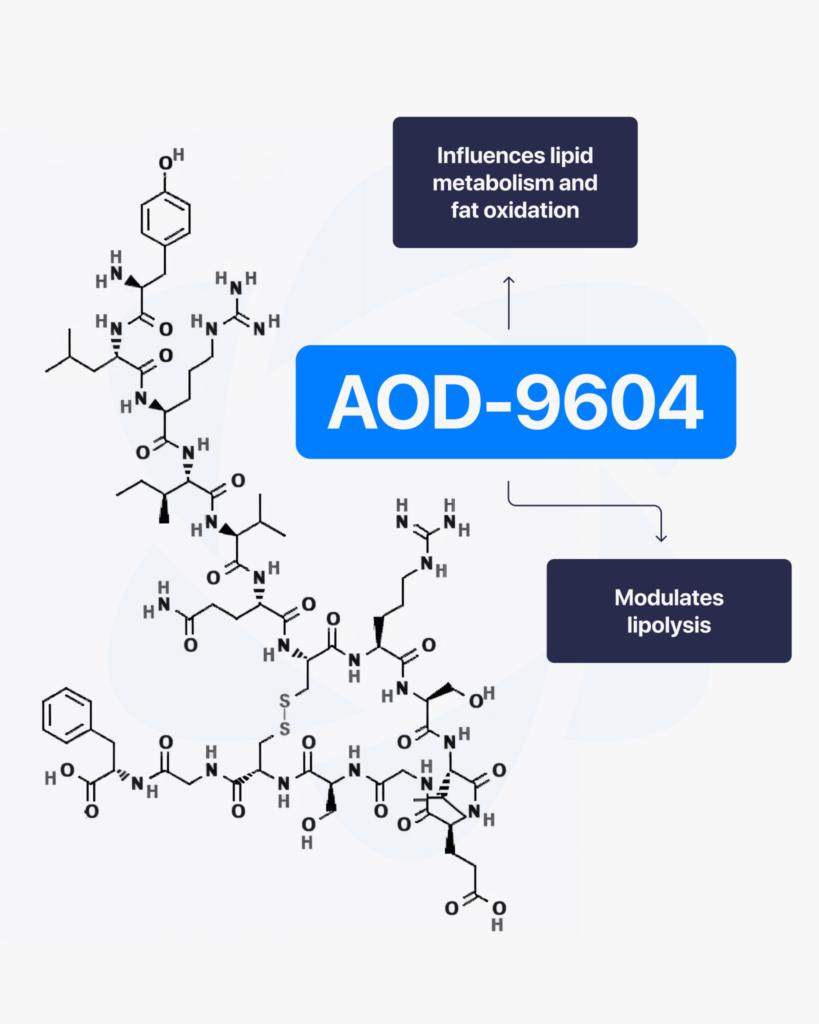
Peptide Research What Is AOD-9604? AOD-9604 is a synthetic peptide fragment based on a specific region of human growth hormone (hGH). It is derived from the C-terminal portion of hGH, specifically amino acids 177–191, with an additional tyrosine modification designed to improve peptide stability. Researchers developed AOD-9604 to investigate how smaller peptide fragments related to […]
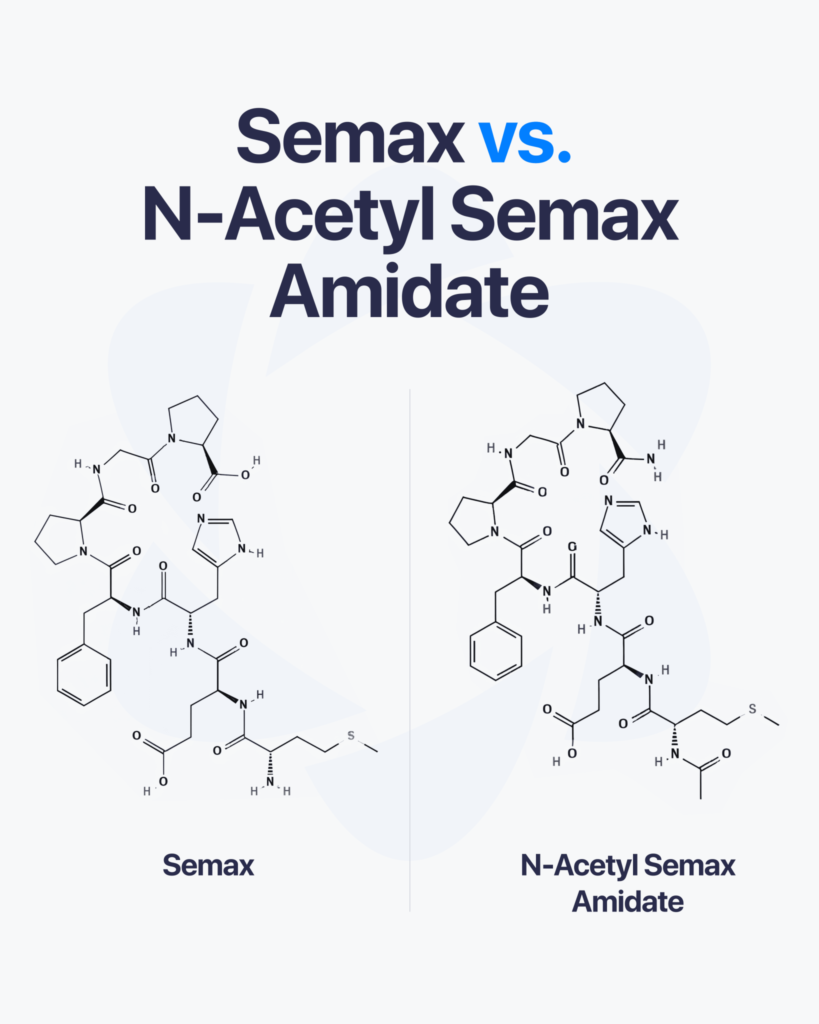
Peptide Research What Is Semax? Semax is a synthetic heptapeptide consisting of the amino acid sequence Met-Glu-His-Phe-Pro-Gly-Pro (MEHFPGP). It was developed from a fragment of adrenocorticotropic hormone (ACTH 4–7) with an additional Pro-Gly-Pro sequence. In scientific research settings, Semax has been studied for its interactions with neural signaling pathways, molecular activity, and enzyme-related processes. Its […]
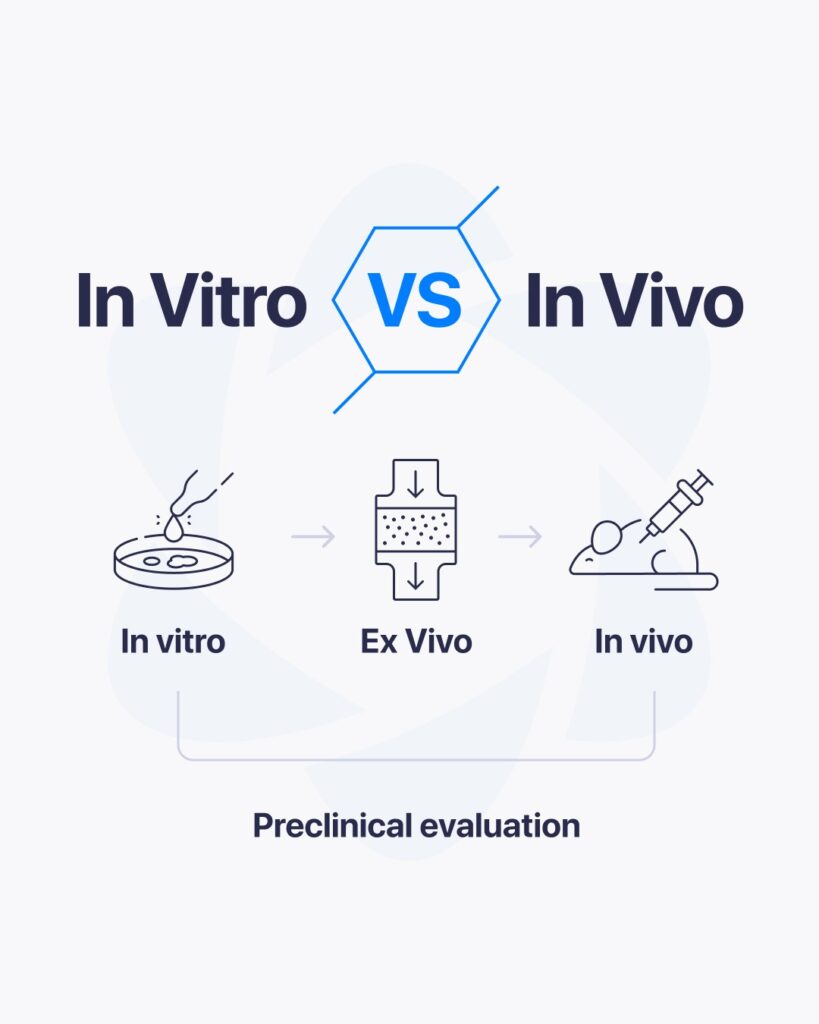
Peptide Research What Are In Vitro Studies? In vitro studies are scientific experiments conducted outside of a living organism, typically using laboratory environments such as test tubes, petri dishes, or specialized research equipment. The term in vitro comes from Latin and means “within glass.” Researchers use in vitro testing as an early-stage approach to examine […]
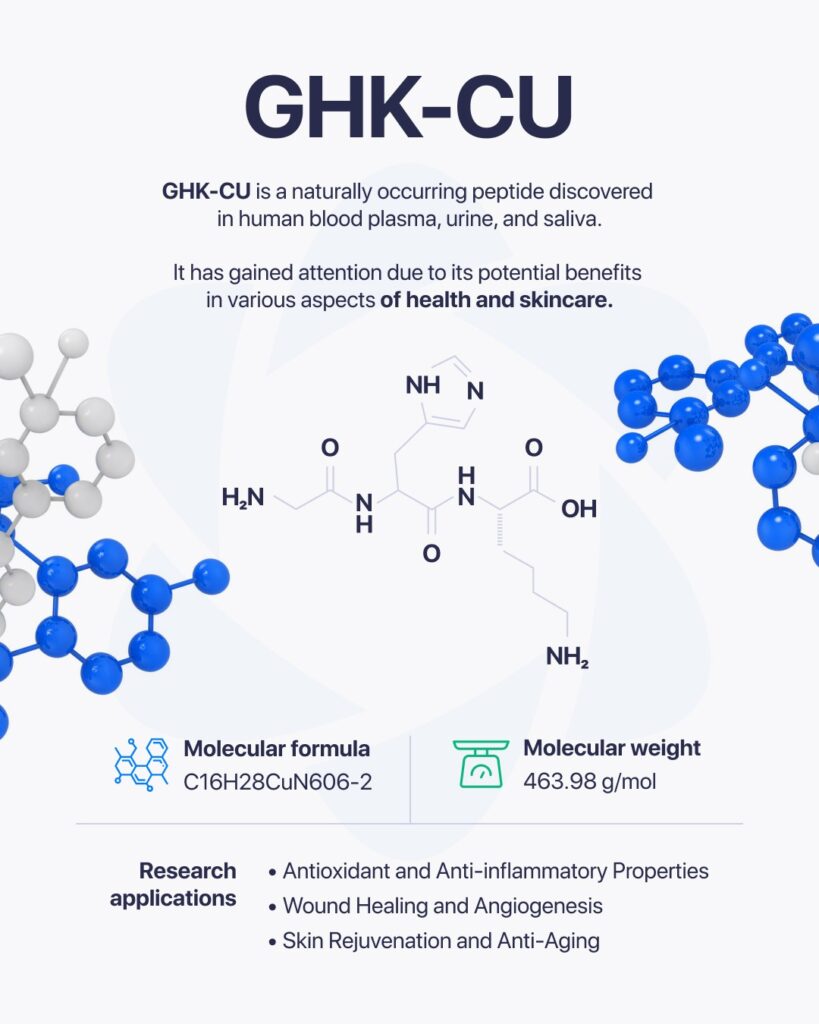
Peptide Research What is GHK-Cu? GHK-Cu (Glycyl-L-Histidyl-L-Lysine Copper) is a naturally occurring copper-binding peptide that has been identified in human plasma, saliva, and other biological tissues. Due to its involvement in cellular communication and tissue-related biological processes, it has been the subject of extensive scientific investigation for several decades. To support controlled laboratory studies, researchers […]
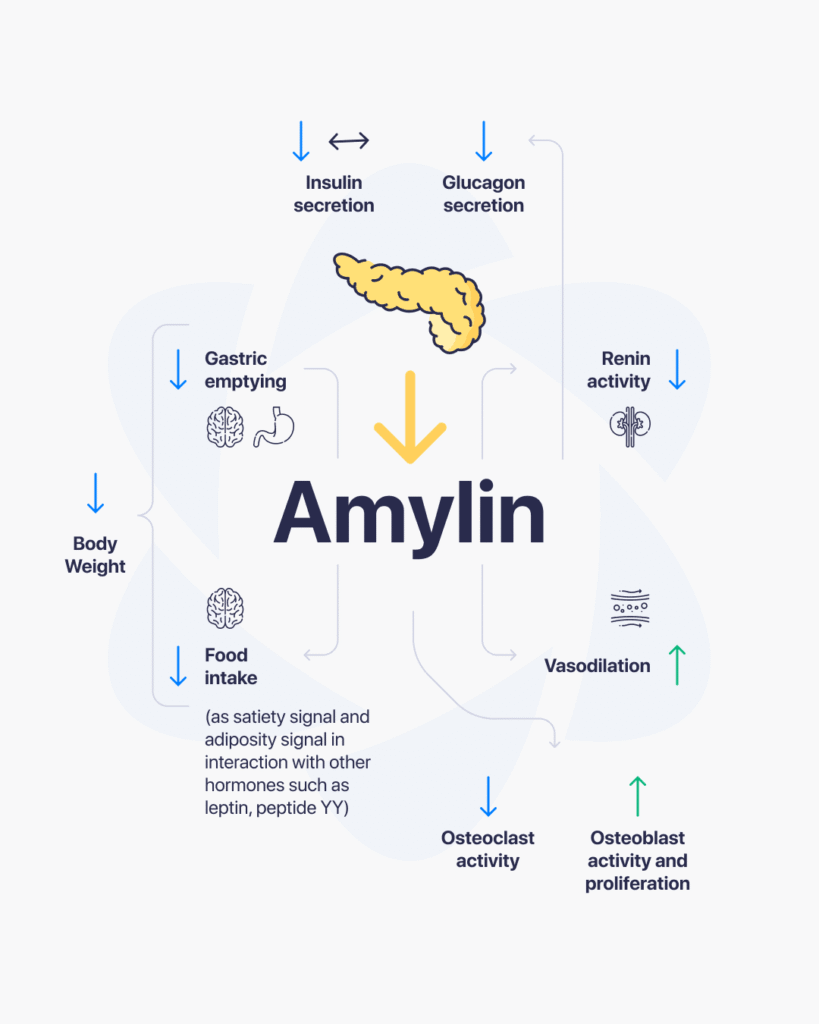
Peptide Research What is Cagrilintide? Cagrilintide is a synthetic peptide engineered as a long-acting analogue of amylin, a naturally occurring hormone involved in metabolic regulation. In laboratory research, it is widely studied for its interactions with biological pathways associated with appetite signaling, energy balance, and metabolic function. Researchers continue to investigate how cagrilintide influences receptors […]
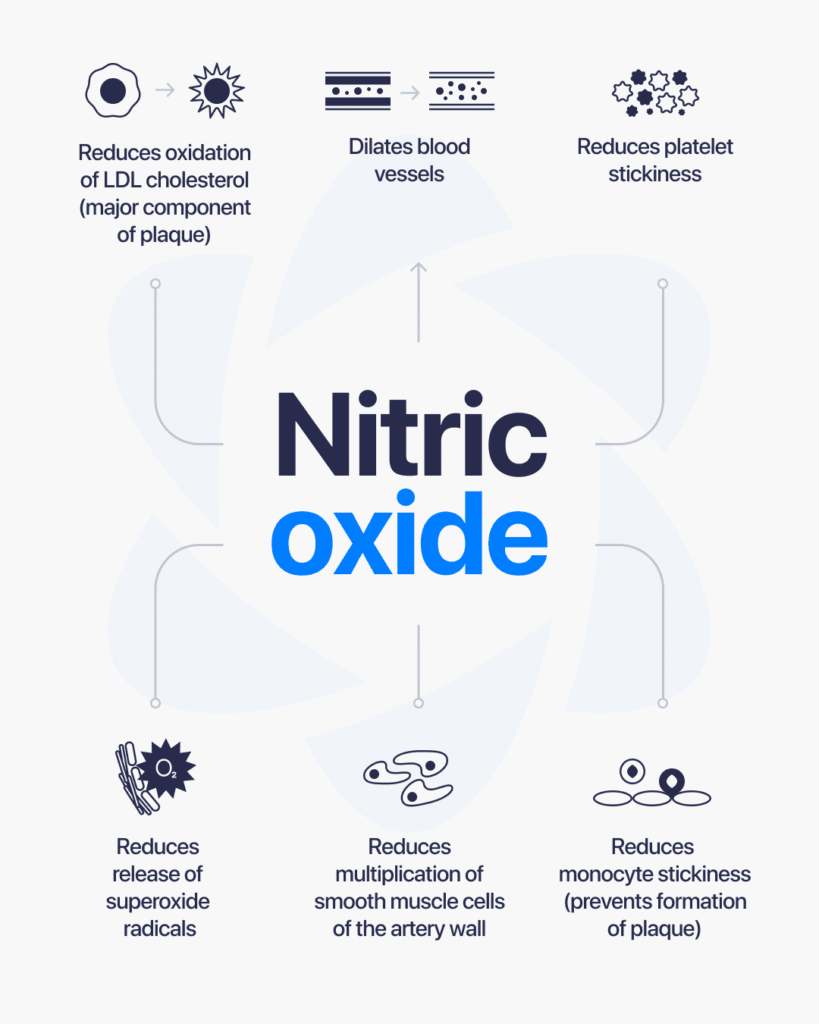
Peptide Research What is BPC-157? BPC-157 is a synthetic peptide derived from a naturally occurring protein sequence originally identified in gastric tissue. Within laboratory environments, it has become a subject of interest for researchers investigating tissue response, cellular signaling, and regenerative biological processes. One area receiving significant attention is the interaction between BPC-157 and nitric […]
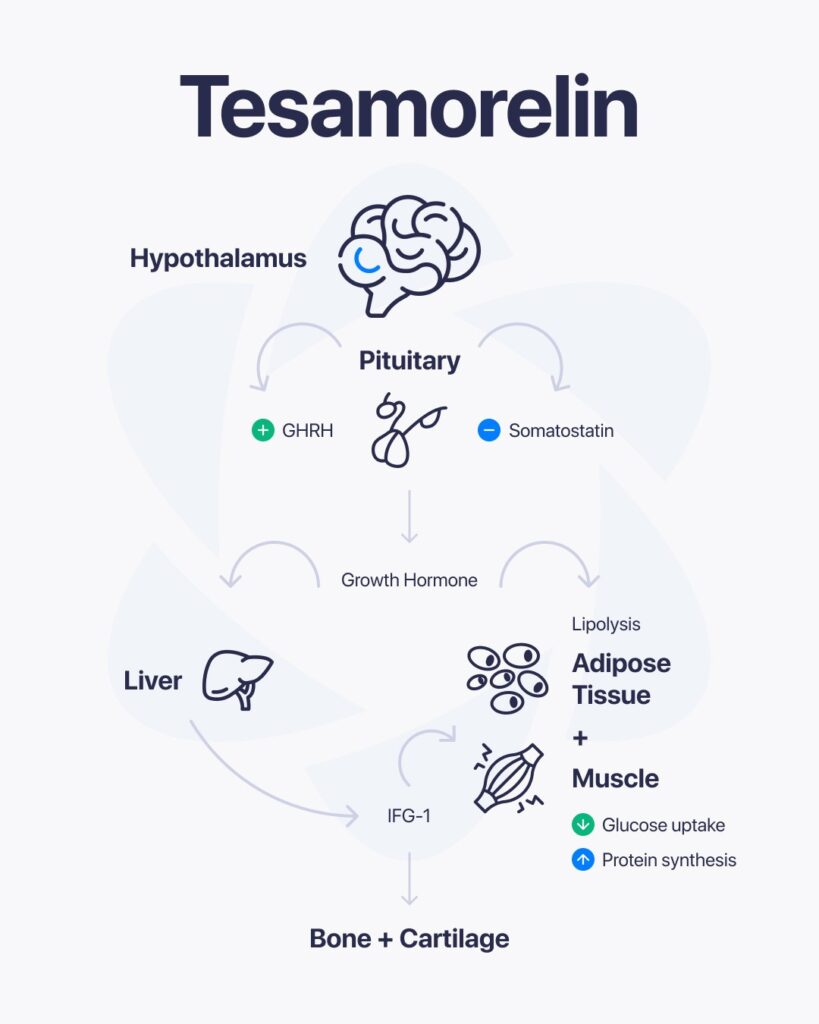
Peptide Research Updated for Aeturna Wellness Tesamorelin is a synthetic analogue of growth hormone-releasing hormone (GHRH) developed to closely resemble the body’s naturally occurring hormone. In laboratory research, it is commonly used to investigate growth hormone regulation, metabolic function, and other biological pathways associated with endocrine activity. Its enhanced stability compared to native GHRH allows […]
